August 24, 2026
In a world where safety is paramount, ensuring that your facility is equipped with the right fire protection equipment is crucial. This article explores the various types of fire protection equipment that every facility should consider as part of their comprehensive safety plan. From detection systems to suppression devices, we will delve into the essential equipment that can help mitigate fire-related risks. The importance of having effective fire protection equipment cannot be overstated, especially when faced with the potential devastation of a fire. According to SafeHome.org, room temperatures during a fire can reach 1,100 degrees Fahrenheit within four minutes, highlighting the urgent need for preparedness.
1. Fire Alarms
a. Types of Fire Alarms
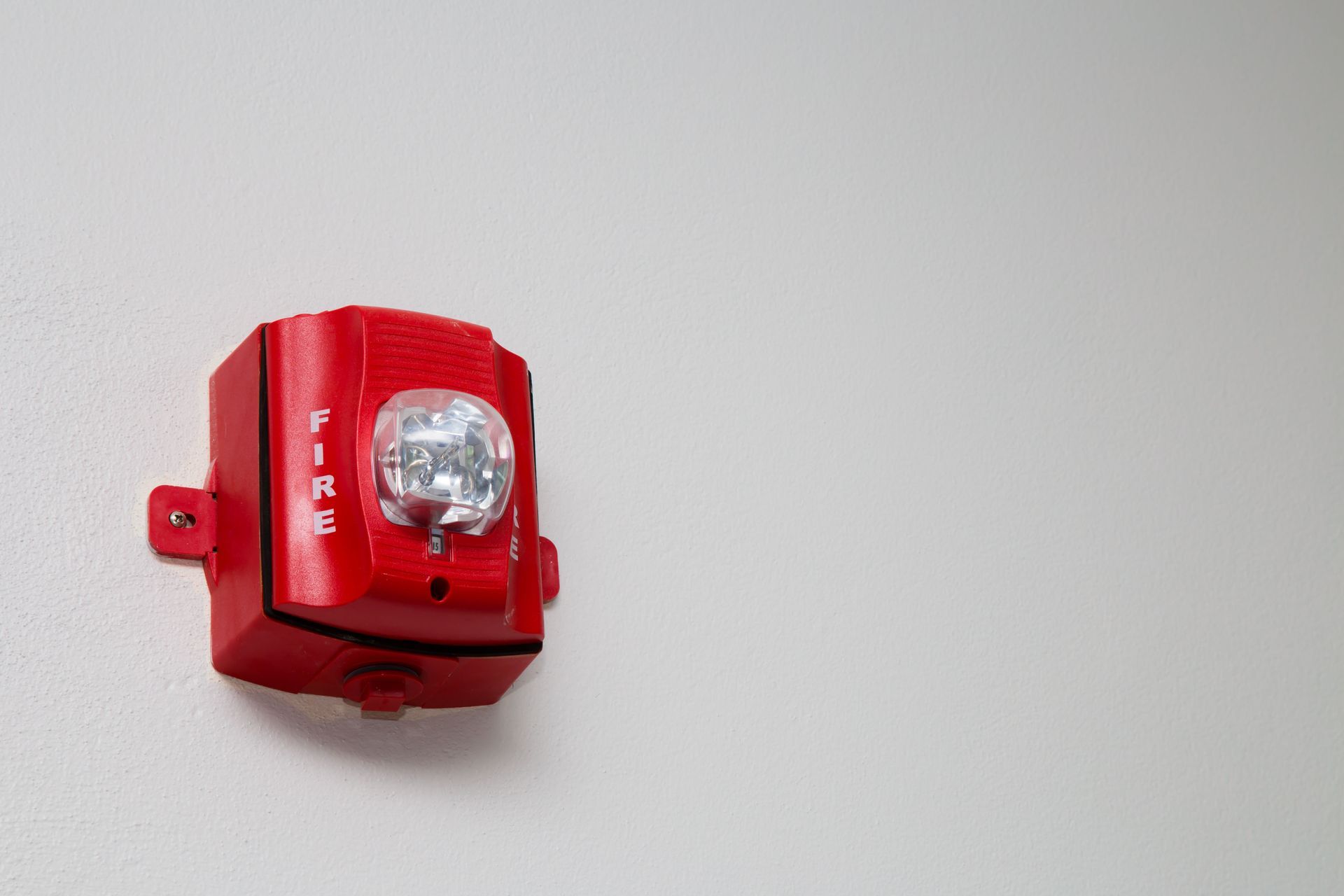
There are various types of fire alarms available, each designed to cater to different needs and environments. Smoke alarms are one of the most common; they detect smoke particles in the air and sound an alarm to alert occupants. Heat detectors, on the other hand, respond to thermal energy and are ideal for locations where smoke detectors might give false alarms, such as kitchens. More advanced systems, like addressable fire alarms, communicate with each detection device and pinpoint the exact location of a fire. Ionization and photoelectric alarms, which respond to different types of smoke, are also commonly used.
b. Benefits of Early Detection
Early detection of a fire can drastically reduce property damage and save lives by providing critical time for evacuation and intervention. Fire alarms are instrumental in providing this early warning, allowing occupants to escape before conditions become life-threatening. An alert from a fire alarm can allow emergency services to respond more quickly, potentially controlling the fire more effectively. Considering that room temperatures during a fire can reach up to 1,100 degrees Fahrenheit within minutes, as reported by SafeHome.org, timely alerts can make the difference in the severity of an incident. Installing efficient fire alarms is not just a regulatory requirement but a critical component of a vigorous safety strategy.
c. Installation and Maintenance
Proper installation is crucial to ensure that fire alarms function as intended. Placement, wiring, and interfacing with control panels should all comply with local building and fire codes. Regular maintenance, including battery checks and function tests, ensures reliability and readiness. Engaging with certified professionals for both installation and routine inspections can minimize the chances of equipment malfunction. Without timely maintenance, even the best fire alarm systems may fail when they are needed most, compromising building safety.
d. Integration with Other Systems
Modern fire alarm systems can be seamlessly integrated with other building safety systems to provide a comprehensive protection package. Integration with sprinkler systems ensures immediate action upon the detection of fire, helping to control or extinguish flames quickly. Fire alarms can also sync with emergency lighting and communication systems, aiding in swift and organized evacuations. Smart technology allows for fire alarms to be connected via the Internet, enabling remote monitoring and timely response. Such integration not only enhances safety but also increases operational efficiency and potentially reduces insurance premiums.
e. Regular Testing and Compliance
Regular testing and adherence to compliance standards are non-negotiable aspects of managing fire alarms. Fire safety regulations often dictate the frequency and type of checks required to maintain compliance. Typically, facilities are required to conduct monthly inspection, bi-annual testing, and annual comprehensive check-ups of their fire alarm systems. Non-compliance can lead to penalties and increased risk of system failure during emergencies. Staying informed about updates in fire safety legislation is crucial to ensure ongoing compliance and maximum safety.
2. Fire Extinguishers
a. Different Classes of Fire Extinguishers
Fire extinguishers are classified based on the types of fires they are suited to combat. Class A extinguishers are used for ordinary combustible materials like wood and paper. Class B is suitable for flammable liquids such as oils and solvents, while Class C is designed for electrical fires. Class D extinguishers cater to metal fires, and Class K is used in kitchens for fires involving cooking oils. Understanding these distinctions is essential for selecting the correct extinguisher for a given environment.
b. Proper Usage Techniques
Knowing how to properly use a fire extinguisher is vital in emergency situations. The PASS technique—Pull, Aim, Squeeze, and Sweep—is widely taught for this purpose. First, pull the pin to unlock the extinguisher, then aim at the base of the fire. Next, squeeze the handle to release the extinguishing agent and sweep it across the base. Users should maintain a safe distance and never turn their back on a fire, even after it appears to be extinguished.
c. Placement and Accessibility
Strategic placement and easy accessibility of fire extinguishers are crucial for their effectiveness during an emergency. Fire extinguishers should be clearly visible and located along escape routes and near potential fire hazards. Height and mounting requirements are often specified by fire safety codes, ensuring that extinguishers can be quickly reached. Accessibility ensures that as soon as a fire is detected, an individual can respond immediately while waiting for firefighting professionals. Inadequate access can delay response times and exacerbate the damage caused by fire.
3. Smoke Detectors
a. Types of Smoke Detectors
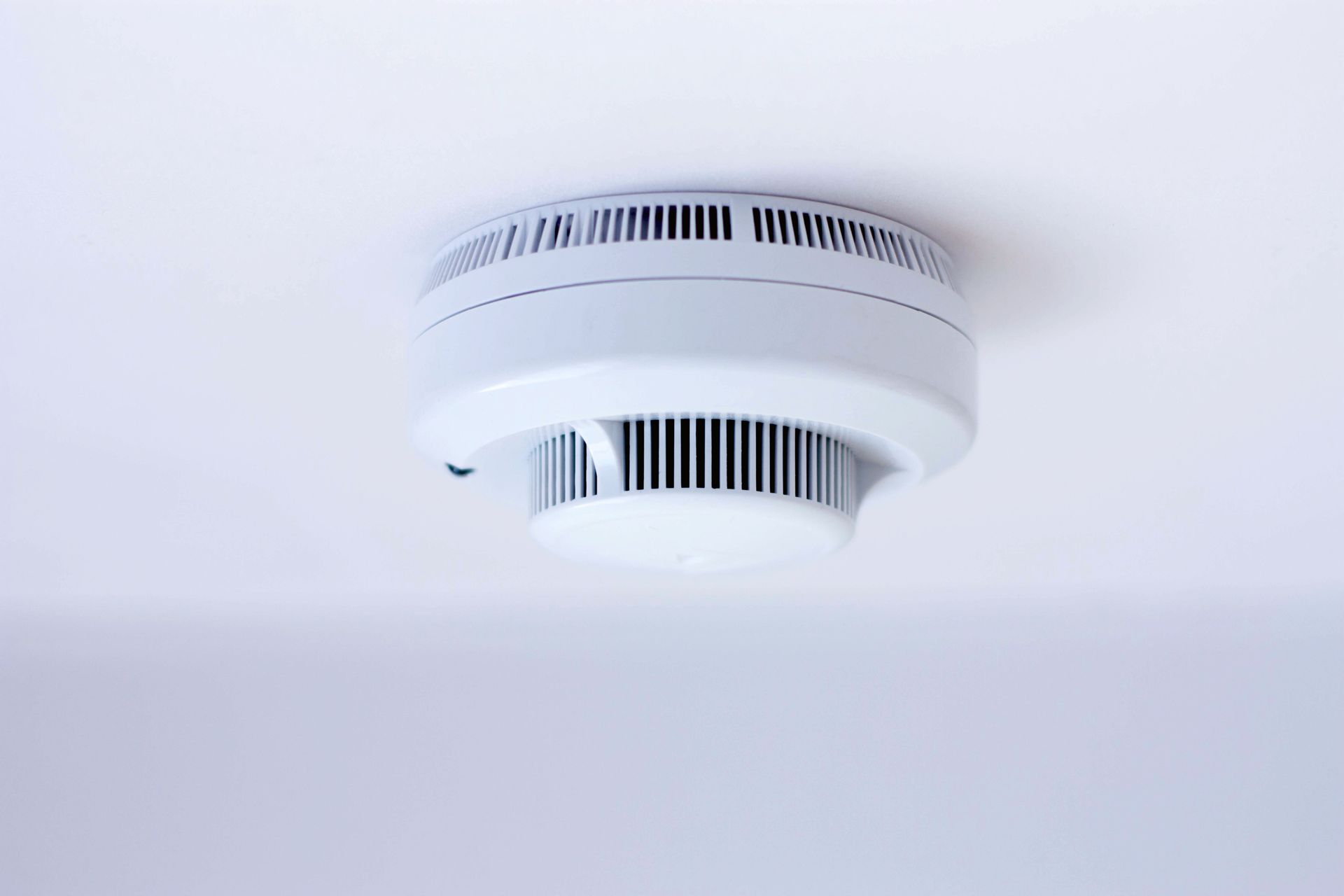
Smoke detectors come in various types, each with specific uses based on the environment and fire hazard. Ionization detectors are effective at sensing fast-flaming fires through the ionization of air within their chambers. Photoelectric detectors detect smoke using a light beam, making them more effective at identifying smoldering fires. Dual-sensor detectors combine both technologies, offering a broad range of detection. Specialized detectors, like beam or aspirating systems, are often used in large, open spaces requiring more robust coverage.
b. Key Features and Technologies
Modern smoke detectors feature advanced technologies that enhance their effectiveness and reliability. Features such as interconnected systems allow detectors to communicate, ensuring that an alert in one location triggers alarms throughout a building. Smart smoke detectors can send alerts to smartphones, providing warnings even when oversight is offsite. Some systems integrate with home automation, automatically shutting off HVAC systems to prevent the spread of smoke. Strobe lights or vibrating elements increase accessibility for individuals who are hearing impaired.
c. Optimal Placement and Coverage
For smoke detectors to offer maximum protection, strategic placement throughout a facility is crucial. Detectors should be installed on every floor, including basements and attics, and placed inside and outside of sleeping areas. They should be mounted high on walls or ceilings, as smoke rises and the highest concentrations will trigger detectors most effectively. In larger spaces, additional detectors may be necessary to ensure full coverage. Consulting with fire protection professionals can help in determining the optimal arrangement.
Ensuring that your facility is equipped with the correct fire protection equipment is not just a regulatory requirement but a moral imperative to safeguard lives and property. By understanding the various types of equipment available, facilities can better prepare to prevent, detect, and respond to fire incidences, minimizing damage and enhancing safety. Regular evaluations and updates to the facility’s fire protection systems can ensure continued compliance with evolving standards and technological advancements. With temperatures in fires reaching up to 1,100 degrees Fahrenheit quickly, having robust protections in place cannot be exaggerated. Preparedness in terms of equipment and safety protocols ensures resilience and organizational readiness in the face of potential disaster. Be sure to reach out to Easton Electronics for more information on our professional fire protection equipment!