November 19, 2026
Fire safety is a critical aspect of home and workplace safety that's often misunderstood. Misconceptions about fire safety can lead to dangerous practices and increase the risk of fire-related incidents. Let's demystify some of the common myths surrounding fire safety and provide accurate information that can help improve fire prevention and response strategies.
Myth 1: Smoke Alarms Are All You Need for Fire Safety
The Importance of Multiple Detectors
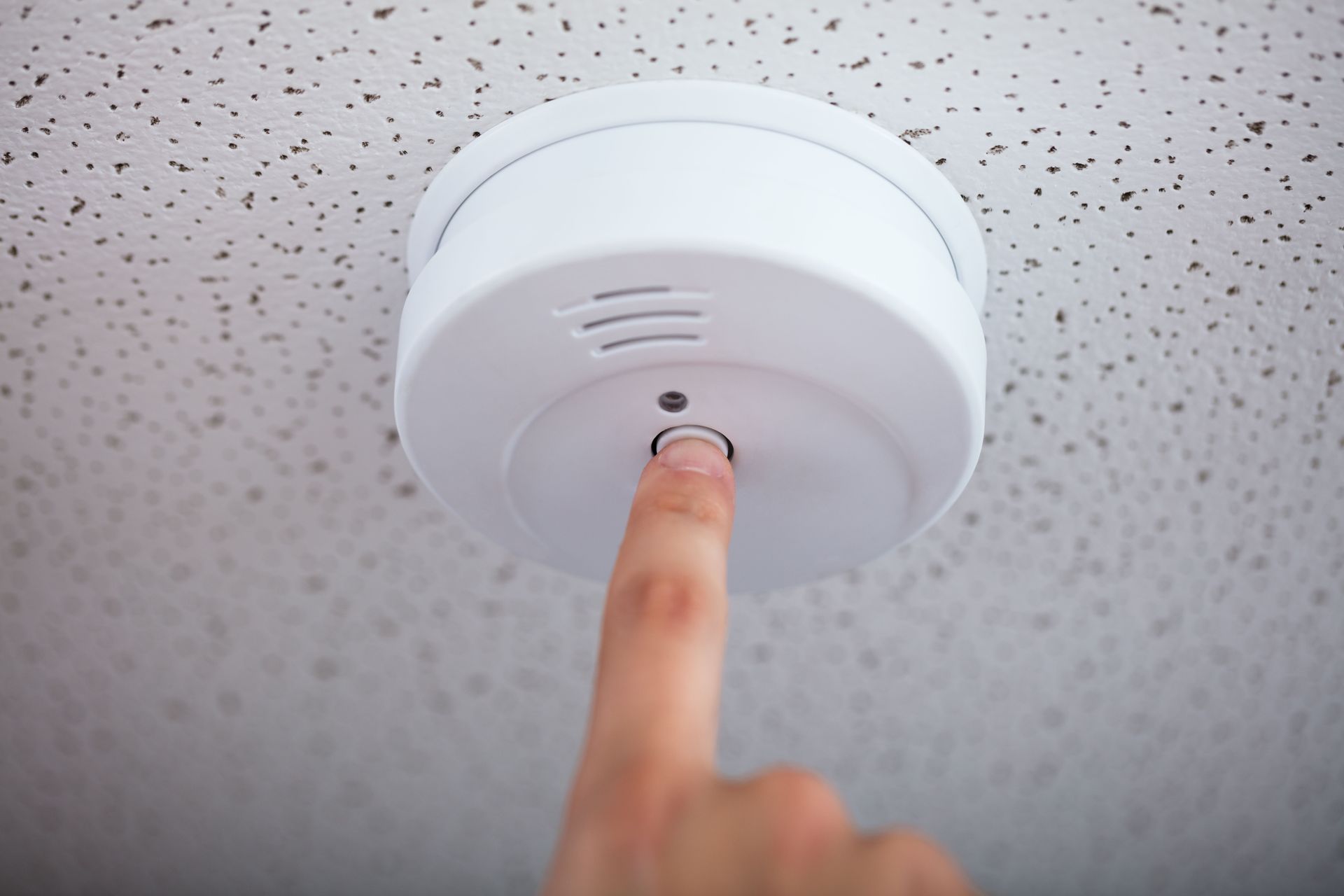
While smoke alarms are vital components of fire safety, they are not the sole solution. Smoke alarms primarily detect smoke particles, which means they may not respond quickly to all forms of fire incidents. It's essential to integrate other detectors, like heat and flame detectors, to ensure comprehensive coverage. Each type of detector plays a unique role in identifying different aspects of fire, enhancing early detection and response. Having a variety of detectors significantly boosts the chances of identifying a fire in its early stages, enabling prompt action to mitigate damage.
Maintenance and Testing of Smoke Alarms
Regular maintenance of smoke alarms is crucial to ensuring their effectiveness. Testing smoke alarms monthly and replacing batteries annually are simple yet effective practices to maintain functionality. It's also advisable to replace smoke alarms every ten years, as their sensitivity can diminish over time. Routine checks guarantee that the alarms are operational when needed most. By keeping alarms in optimal condition, you strengthen your first line of defense against fire-related emergencies.
The Role of Heat and Flame Detectors
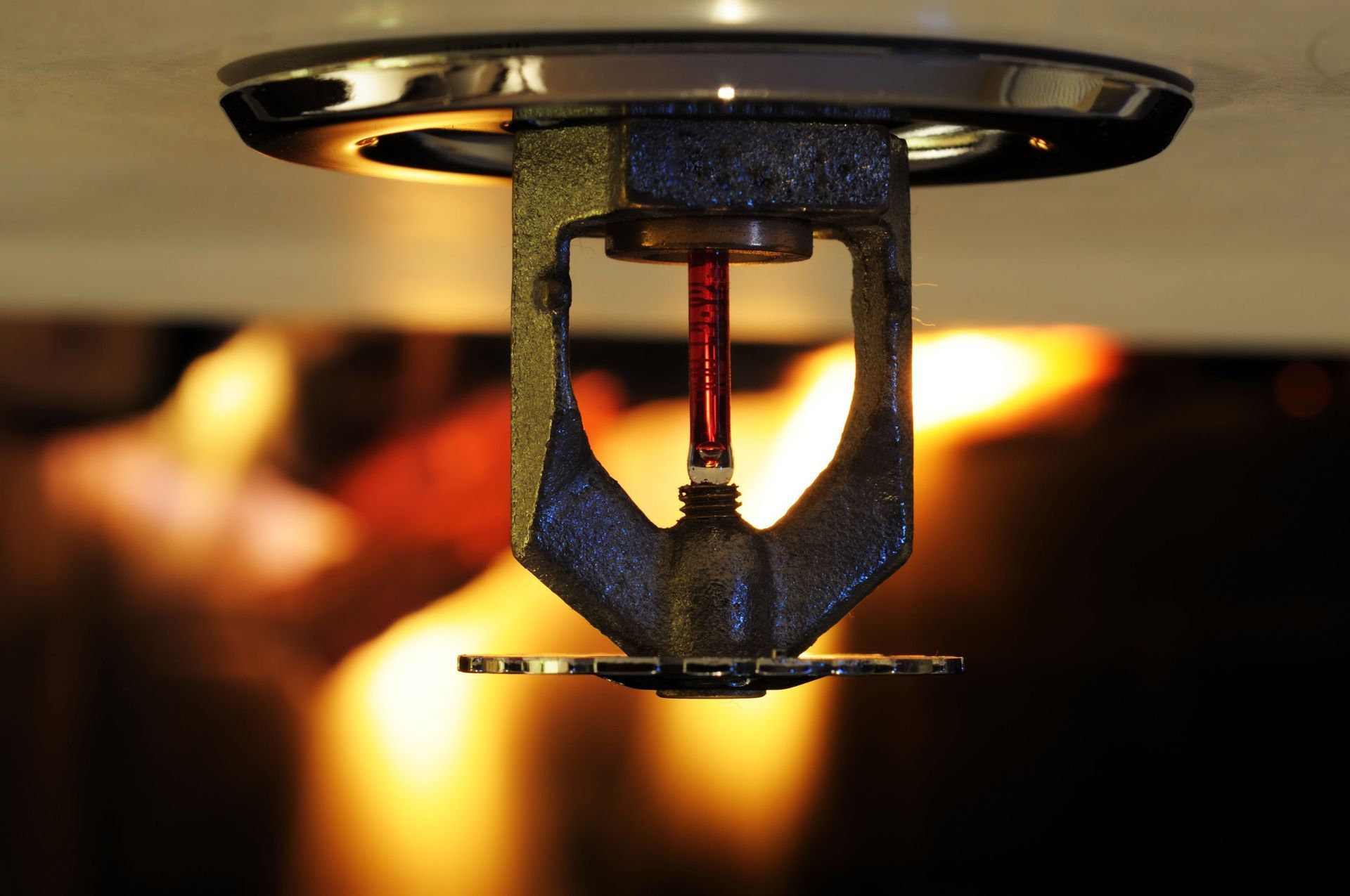
Beyond smoke alarms, heat and flame detectors provide additional layers of security. Heat detectors respond to changes in temperature, ideal for spaces where smoke might be present normally, such as kitchens. Flame detectors identify the ultraviolet or infrared light emitted by flames, providing another means of early detection. Utilizing these devices together creates a robust detection system. Integrating multiple technologies ensures a well-rounded approach to fire safety, preparing for various scenarios.
Alarm Placement and Coverage
Strategic placement of alarms is essential for maximizing coverage. Install smoke alarms in every bedroom, outside each sleeping area, and on every level of the home, including the basement. Alarms should be placed at least 10 feet from cooking appliances to prevent false alarms. Ensure accessibility by positioning alarms within earshot for all household members, including those with hearing impairments. By achieving optimal placement, you increase the likelihood of timely detection and response.
Integration With Fire Safety Systems
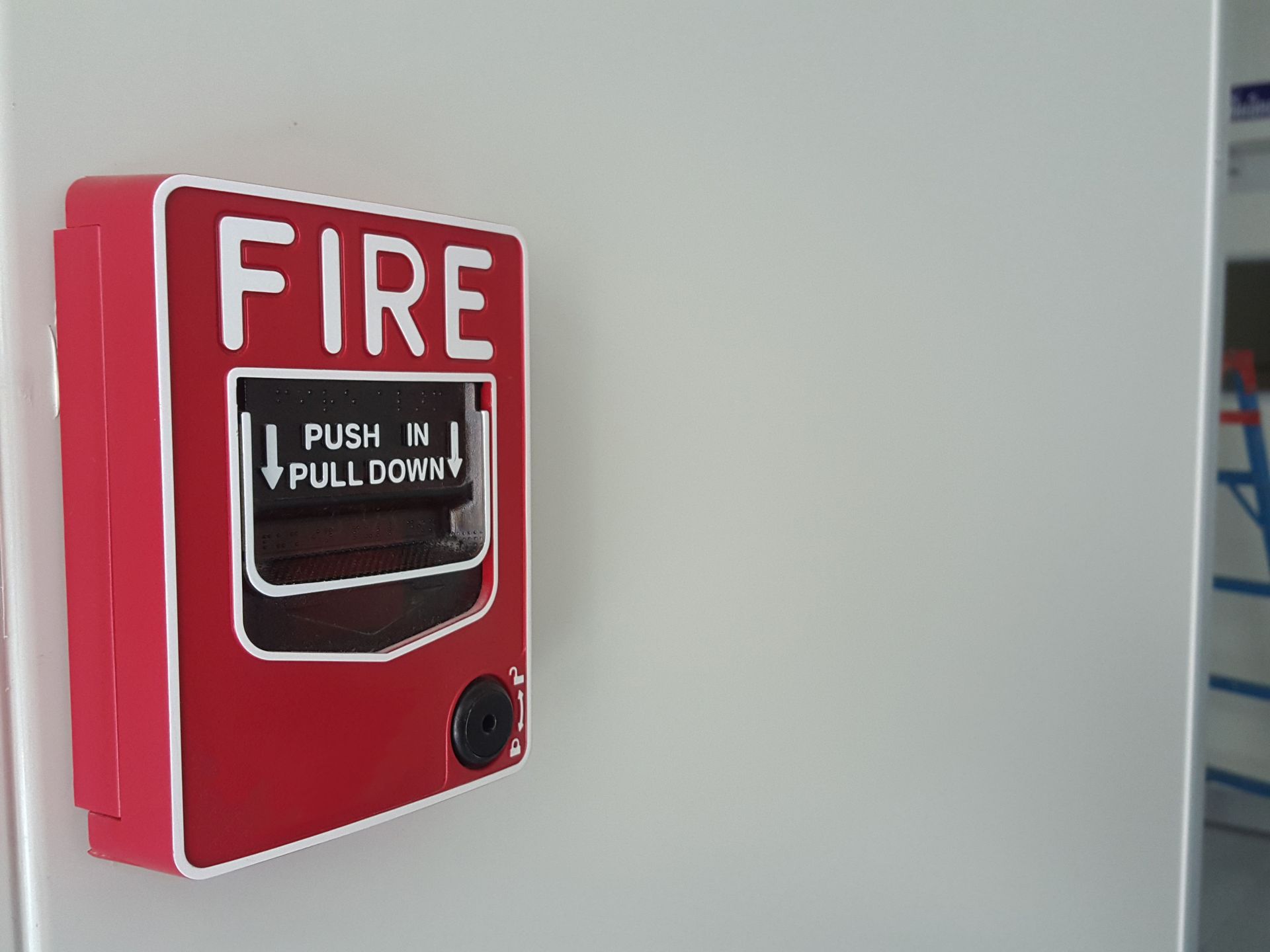
Smoke alarms are fundamental to larger fire safety systems that encompass various technologies and protocols. Integrating alarms with centralized systems can provide automated alerts to emergency services, expediting response times. This connectivity ensures a cohesive approach to fire safety, leveraging technology to enhance efficiency and coordination. Using interconnected systems also provides redundancy, increasing the reliability of alerts. Embracing these integrations can significantly improve overall safety and readiness.
Myth 2: Fires Won't Happen To Me
Understanding Fire Statistics
The belief that "it won't happen to me" is a dangerous misconception grounded in a misunderstanding of fire statistics. Data show that fire can occur in any setting, regardless of perceived safety or precautions. For instance, according to Cleanfax, there are about 33,000 commercial electrical fires in the United States every year, highlighting the ubiquitous nature of fire threats. Acknowledging these statistics is vital for adopting a proactive approach to fire safety. By recognizing the prevalence of fire incidents, individuals can take essential steps to mitigate risks.
The Importance of Preparedness
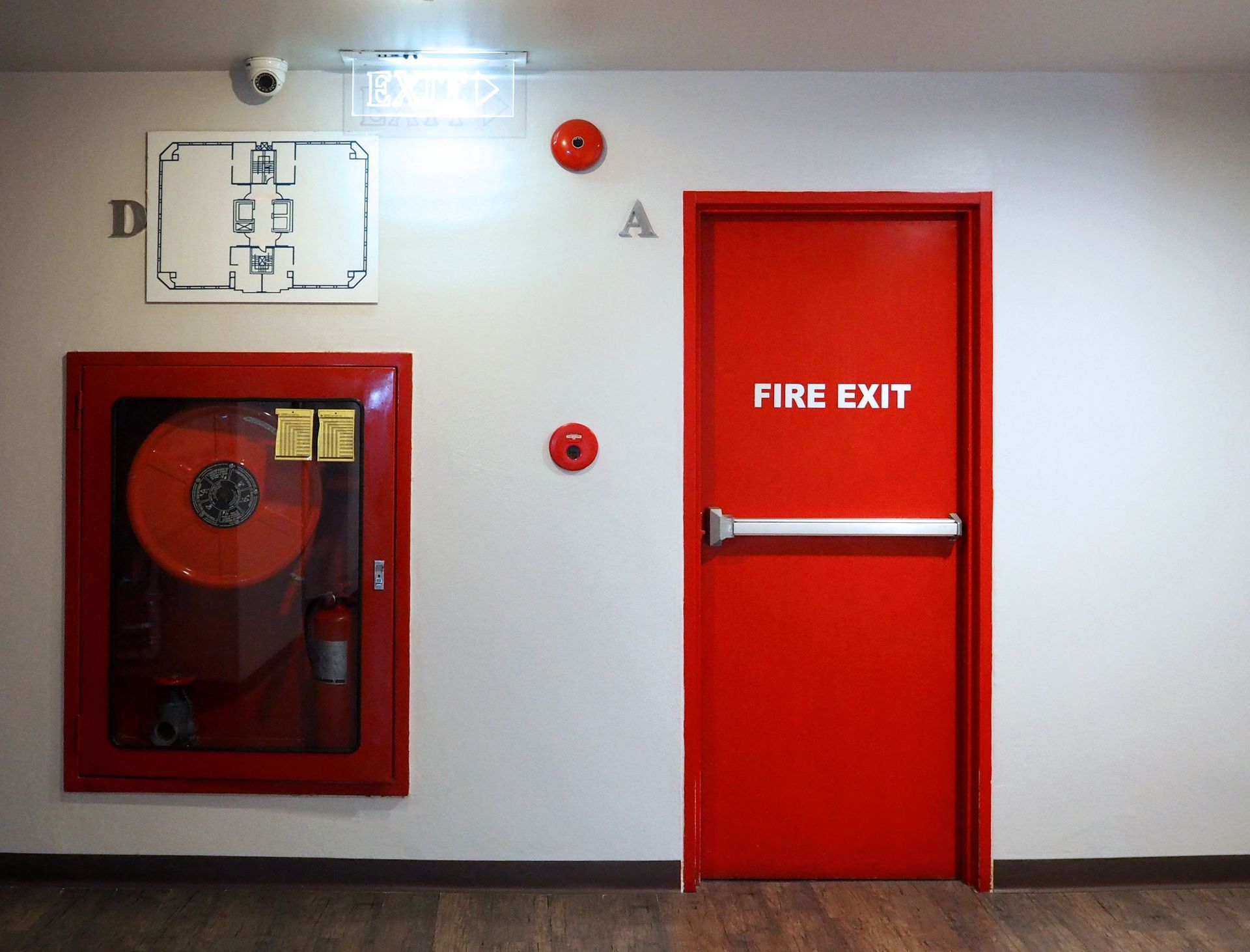
Preparedness is critical, as complacency can have dire consequences. Implementing fire safety protocols and ensuring everyone on the premises is educated about them can significantly reduce risks. Regular drills and equipment checks reinforce awareness and readiness. Emphasizing the unpredictable nature of fires fosters a culture of vigilance, motivating individuals to prioritize safety. Ultimately, preparedness saves lives by facilitating swift, effective responses to fire emergencies.
Psychological Factors in Risk Assessment
Psychological biases often lead individuals to underestimate fire risks. The optimism bias, where people believe negative events are less likely to happen to them, plays a significant role in complacency. Additionally, familiarity with a particular environment can create a false sense of security. Analyzing these psychological factors is crucial for addressing misconceptions about fire safety. By understanding these biases, individuals can challenge themselves to adopt more realistic risk assessments.
Building a Culture of Safety
Cultivating a proactive safety culture involves collaboration and commitment from all community members. Encouraging open discussions about fire risks and safety measures can enhance communal resilience. Shared experiences and knowledge foster an environment where safety becomes a collective priority. Community-oriented approaches, like neighborhood safety initiatives, promote widespread awareness and engagement. By building a culture of safety, we can collectively reduce fire risks and enhance preparedness on a larger scale.
Myth 3: Water Is the Best Way to Put Out All Fires
Types of Fires and Appropriate Extinguishing Methods
Not all fires are suited for extinguishing with water, as they vary in nature and intensity. Fires are classified into types such as Class A (ordinary combustibles), Class B (flammable liquids), Class C (electrical fires), and others. Each type requires a specific extinguishing agent for safe and effective management. Water is ineffective and even hazardous on electrical or flammable liquid fires. Understanding these classifications allows for choosing the appropriate method to enhance safety and effectiveness in extinguishing fires.
Risks of Using Water on Certain Fires
Using water indiscriminately can exacerbate some fire situations. For instance, applying water to an electrical fire can lead to electrocution risks, worsening the emergency. Similarly, water on oil or grease fires can cause splattering and rapidly spread the fire. Understanding these risks underscores the necessity of knowing the correct extinguishing techniques. Education on proper methods reduces the likelihood of unintentionally escalating a fire emergency and aids in devising effective strategies.
The Role of Fire Extinguishers
Fire extinguishers play a crucial role in managing small fires before they escalate. Different extinguishers are designed for specific types of fires, such as Class A, B, C, and others. Knowing when and how to use each extinguisher is essential for effective fire management. Regular training ensures that individuals are equipped to choose the right extinguisher and apply it safely. Fire extinguishers, when used correctly, can be pivotal tools in preventing a small fire from spiraling into a major disaster.
When to Use Blankets and Covers
In addition to extinguishers, fire blankets and covers are valuable tools for suffocating certain fires. These materials work by cutting off the fire's oxygen supply, effectively extinguishing it. Fire blankets are especially useful for kitchen fires or clothing fires, providing a quick and efficient response. Understanding how and when to use these tools enhances overall preparedness and response capabilities. Incorporating diverse fire suppression tools into safety protocols offers versatile solutions for various scenarios.
Identifying the Right Time to Call Emergency Services
Knowing when a fire surpasses personal management and requires professional intervention is crucial. Promptly calling emergency services in such situations ensures access to specialized equipment and trained personnel. Recognizing the limits of do-it-yourself fire suppression can prevent the situation from becoming perilous. Maintaining clear communication channels with emergency services facilitates swift responses. Decisive action reduces the risk of fire spreading, minimizing potential damage and preserving safety.
Understanding and addressing myths about fire safety is paramount for protecting lives and property. By debunking these myths, you can adopt more effective fire prevention and safety practices. Vigilance, education, and preparation remain key in fostering a safer environment. To learn more, reach out to the experts at Easton Electronics.