July 21, 2026
Fire safety equipment plays a crucial role in safeguarding lives and property. However, over time, even the most reliable equipment may degrade or become ineffective. Recognizing the signs of equipment failure can prevent catastrophic consequences. This article explores the essential indicators that your fire safety equipment may no longer be functioning reliably. By staying informed about these warning signs and taking appropriate action, you can contribute to a safer environment for everyone involved.
1. Frequent False Alarms
1.1 Causes of False Alarms
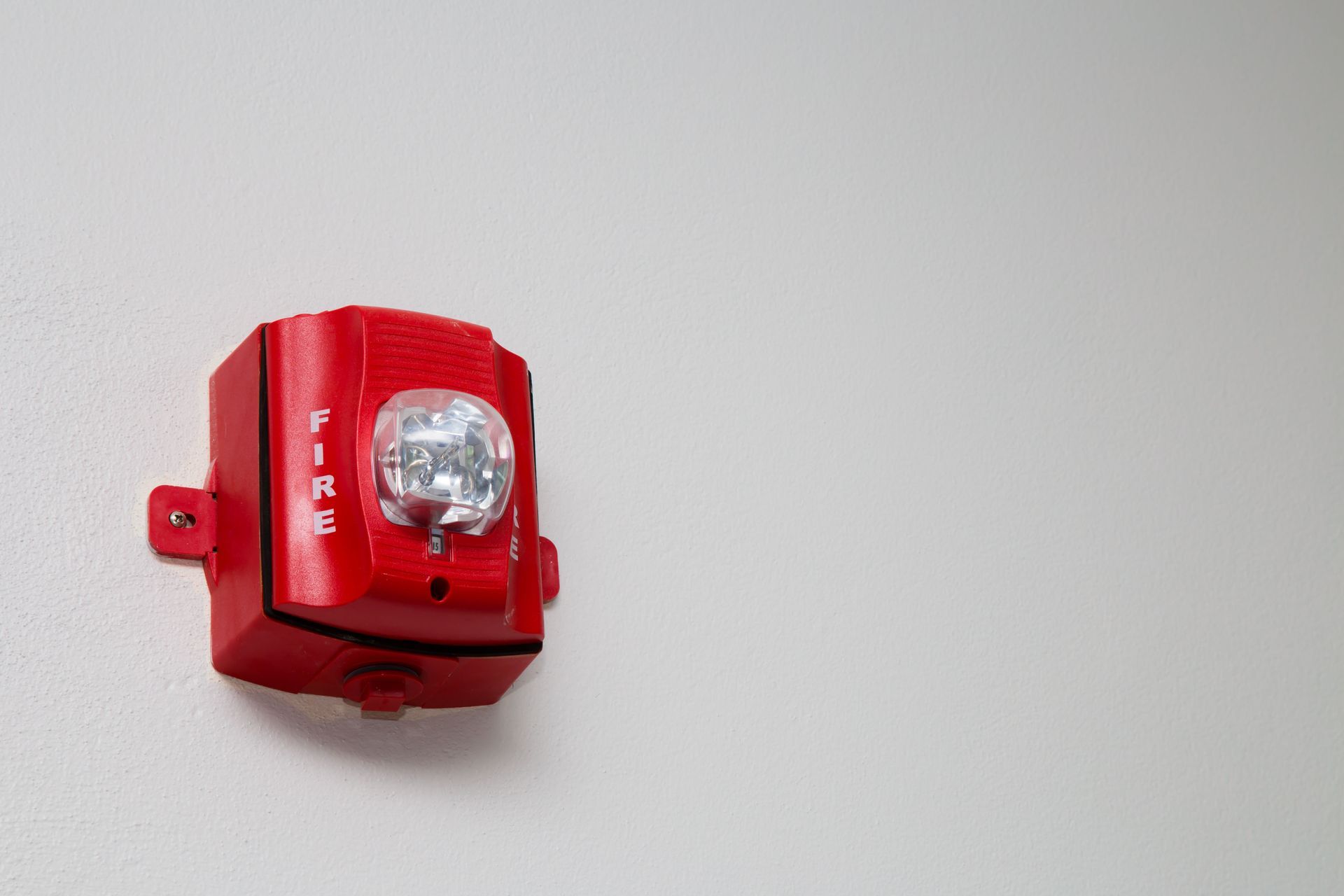
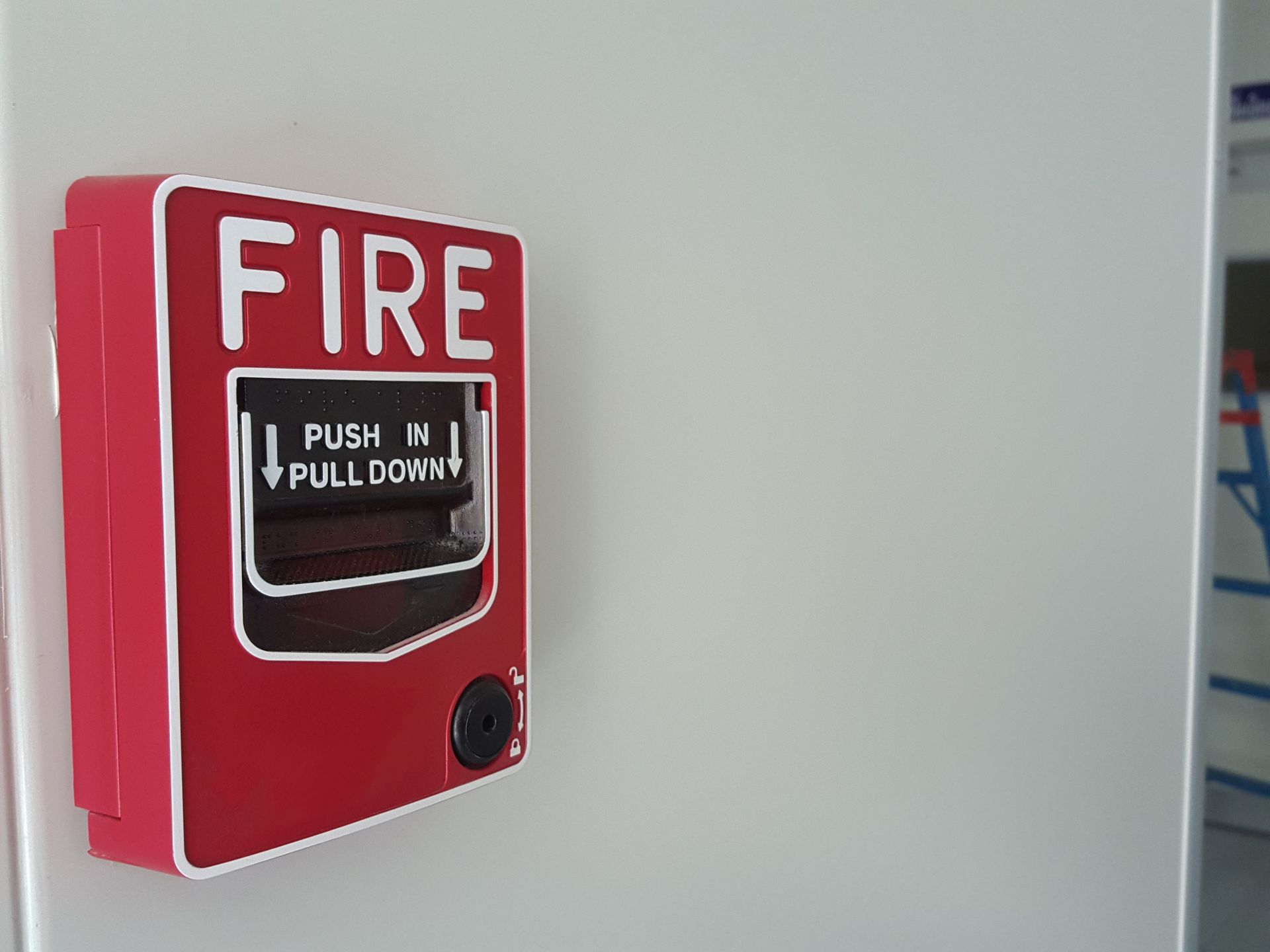
Frequent false alarms from these safety systems can be both irritating and misleading. These false alarms can be caused by several factors, including dust accumulation in sensors, improper installation, or electrical malfunctions. Incorrect sensor calibration may also contribute to unnecessary alerts. False alarms can disrupt building operations and create a culture of complacency among occupants. Understanding the root causes of false alarms helps in implementing strategies to avoid them, ensuring that genuine alarms receive immediate attention.
1.2 Impact on Trust and Responsiveness
In environments where fire alarms are frequently false, occupants may start ignoring alarms, assuming it's another false alert. This diminished trust can lead to a dangerous delayed response during a real fire emergency. An environment with frequent false alarms sees reduced urgency in evacuation processes, which can have severe consequences. According to SafeHome.org, home fires kill an average of seven people each day in the United States, emphasizing the importance of timely evacuations. Therefore, addressing the causes of false alarms is crucial for maintaining trust and ensuring quick responses.
1.3 Investigating Sensor Malfunctions
Sensor malfunctions are often at the core of repeated false alarms in fire safety systems. A thorough investigation is required to determine if the sensors are faulty or simply need recalibration. Professionals can use diagnostic tools to test and monitor sensor performance over time. Regular maintenance schedules help to catch potential malfunctions early before they result in frequent false alarms. Understanding and resolving these issues promptly can restore the reliability of your fire alarm system.
1.4 The Role of Proper Maintenance
Proper maintenance is a key factor in preventing false alarms and ensuring fire safety equipment reliability. Scheduled maintenance checks allow technicians to clean sensors, test systems, and recalibrate any components that might be out of sync. Regular checks prevent small issues from escalating into larger problems that could compromise the entire system. Maintenance records also provide valuable insights into recurring issues, aiding in long-term preventive strategies. Maintaining a consistent and thorough maintenance routine is an investment in the safety and functionality of your the equipment.
1.5 Steps to Resolve and Prevent Recurrence
Resolving issues related to frequent false alarms involves several proactive steps. First, conducting a comprehensive inspection to identify and address any faults or malfunctions is essential. Improving system calibration and ensuring all components are working within specified parameters can help. Education and training for building occupants on minimizing interference with fire detectors can also be beneficial. By implementing these measures, you can prevent recurrences and reinforce the reliability of your fire safety system.
2. Visible Physical Deterioration
2.1 Common Types of Wear and Tear
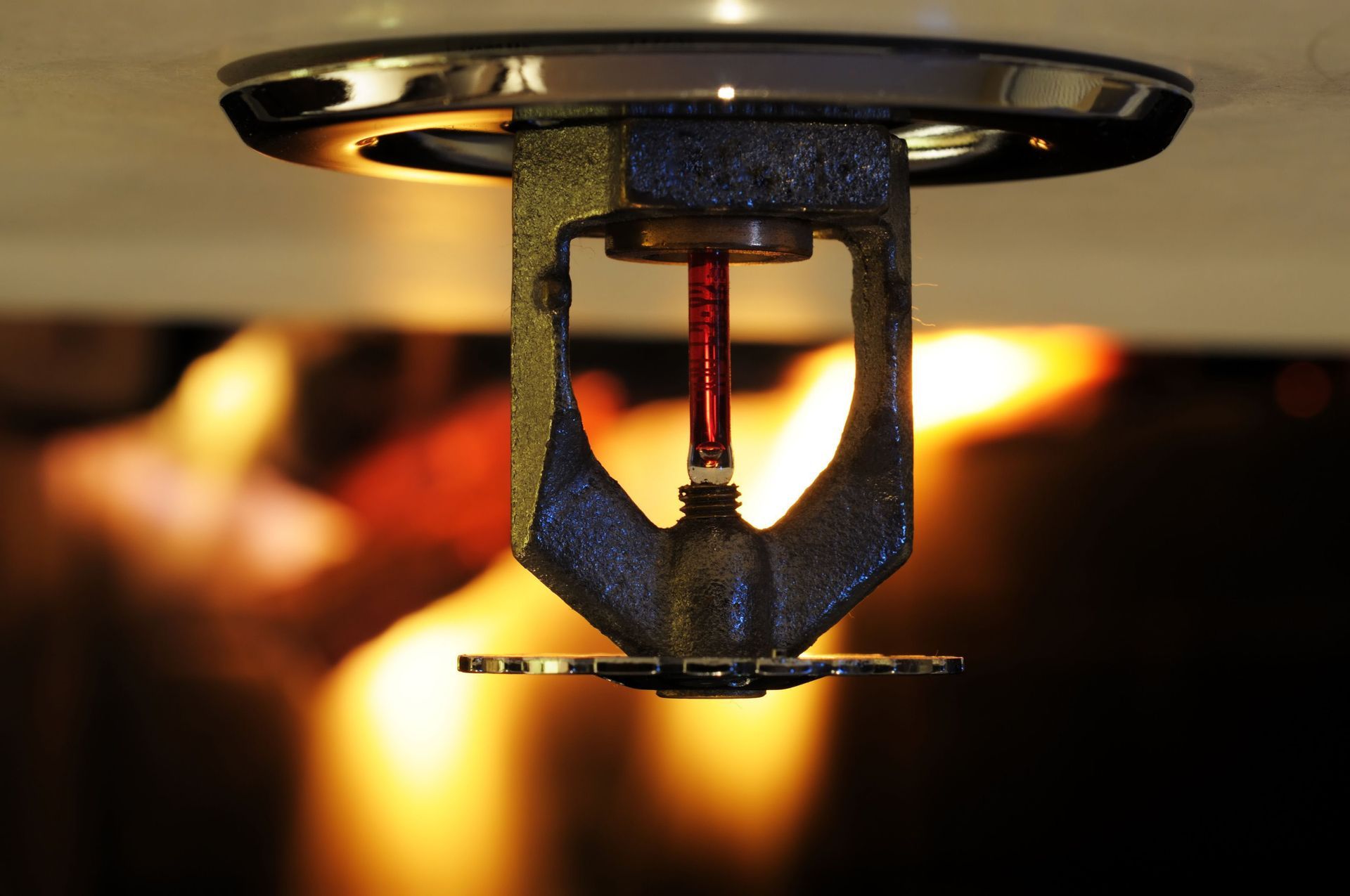
Fire safety equipment is prone to wear and tear over time, especially when exposed to harsh conditions. Common signs of deterioration include rust, cracks, or fading colors on fire extinguishers and detection devices. Equipment that has been physically damaged may no longer perform its function effectively, compromising safety during an emergency. Regularly inspecting these items for visible signs of wear is crucial for maintaining their reliability. Early detection of physical damage allows for timely repairs or replacements, ensuring the ongoing protection of the premises.
2.2 Effects of Environmental Exposure
Environmental factors like humidity, temperature changes, and dust can significantly affect fire safety equipment. In particular, equipment installed in outdoor or industrial environments may experience accelerated deterioration. Environmental exposure can lead to sensor failures, rust damage, and other mechanical problems. Regular maintenance and protective measures can counteract these effects, extending the equipment's operational life. Understanding the influence of environmental factors helps in developing targeted strategies for equipment care and maintenance.
2.3 Identifying Damage Beyond Repair
In some instances, fire safety equipment may incur damage that cannot be repaired. This includes severe corrosion, structural compromise, or complete component failures. Identifying when damage is beyond repair is crucial for timely replacement. Continuing to use damaged equipment could increase the risk of failure during an emergency, leading to dire consequences. It is essential to regularly assess the condition of fire safety systems and replace irreparable components promptly, maintaining the overall integrity of the safety framework.
2.4 Importance of Regular Inspections
Regular inspections form a cornerstone of fire safety maintenance practice. Through consistent inspections, potential issues with physical deterioration can be identified and managed before they become critical. Inspections can be performed internally by trained staff or externally by professionals, depending on the complexity of the system. A robust inspection routine frequently aligns with regulatory requirements, ensuring compliance and safety. They help in documenting the equipment's status and planning necessary upgrades or replacements.
2.5 Professional Assessment and Replacement
In some cases, professional assessments are essential to accurately gauge the condition of fire protection devices. Experts bring specialized knowledge and tools for thorough evaluations, identifying issues that might go unnoticed in regular inspections. When equipment replacement is necessary, professionals can provide guidance on selecting modern solutions that meet current safety standards. These assessments are invaluable in aligning maintenance practices with best safety management protocols. Relying on professional evaluations strengthens the overall reliability of fire safety equipment, providing peace of mind.
3. Expired Certification or Inspection Tags
3.1 Understanding Certification Requirements
Fire safety equipment often comes with expiration dates for certification or inspection tags that denote their operational validity. Understanding these certification requirements is crucial for ensuring equipment remains compliant with safety regulations. Typically, certifications indicate the period in which equipment is expected to function reliably before a reevaluation is necessary. Lapsed certifications can render equipment legally non-compliant and possibly unreliable. Staying informed of certification timelines helps in proactive schedule inspections and renewals.
3.2 Consequences of Lapsed Certification
Lapsed certifications on the safety equipment can have significant negative consequences. Such lapses can lead to violations of safety regulations, potentially resulting in fines or legal complications. In addition, expired certifications imply that equipment may not function optimally, posing safety risks during emergencies. It can also affect insurance policies, which may require up-to-date certifications for claims to be processed. Therefore, renewing certifications on time is essential for both regulatory compliance and continued safety assurance.
3.3 Scheduling Timely Inspections
Timely inspections are fundamental to maintaining valid certification on fire safety equipment. By adhering to a regular inspection schedule, potential reasons for certification lapses can be proactively addressed. Inspections assess the functionality and safety of equipment, ensuring it meets the necessary standards for recertification. Aligning inspection schedules with the expiry of existing certifications streamlines the renewal process, preventing gaps in compliance. Such diligence ensures that equipment is always ready and legally approved for use in emergencies.
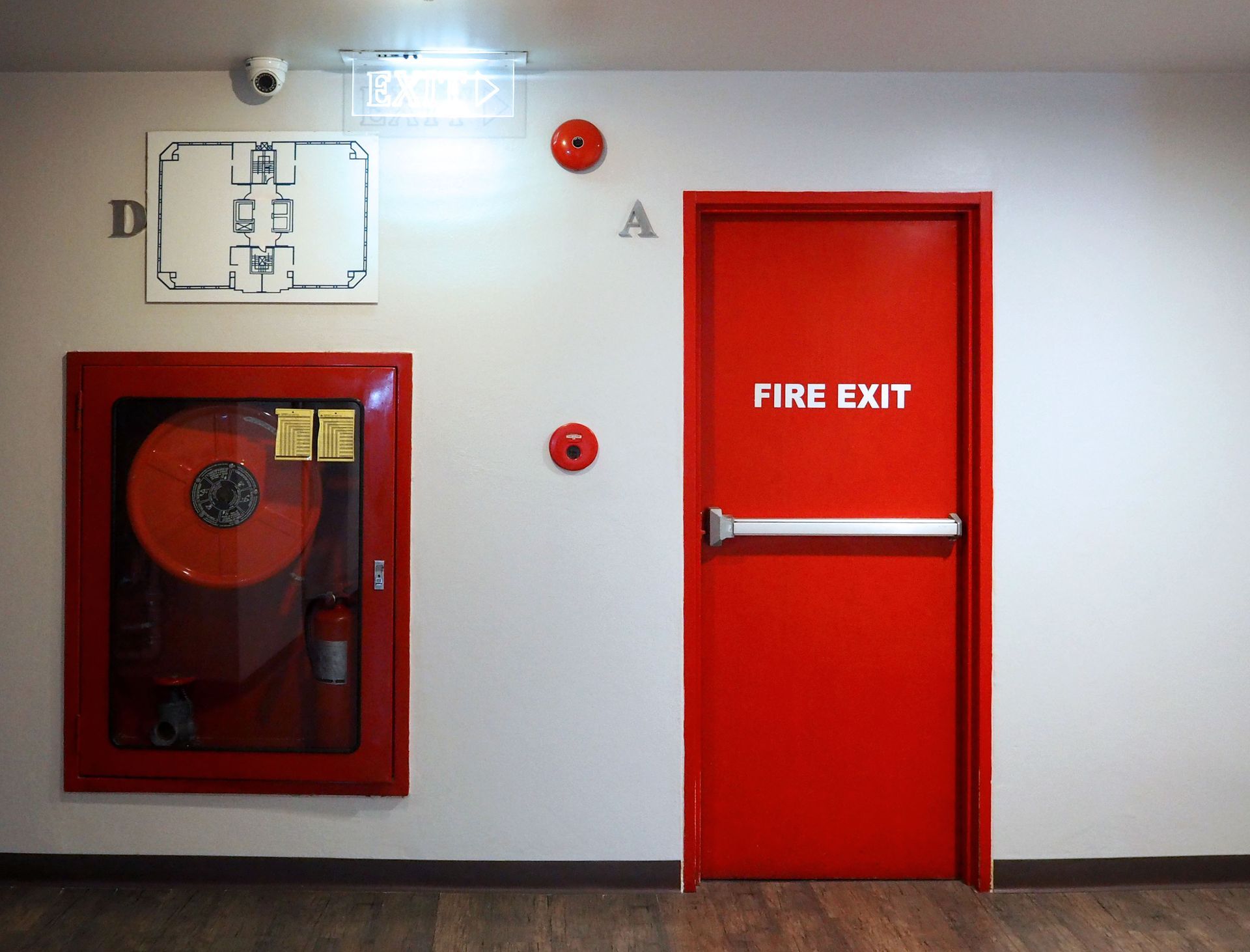
Maintaining reliable fire safety equipment is essential for effective emergency preparedness. By recognizing the signs of failing equipment and taking prompt action, you can ensure the ongoing protection of both people and property. Regular inspections, adherence to maintenance protocols, and timely upgrades are key practices in sustaining the reliability of fire safety systems. With such diligence and proactive strategies, facilities can minimize risks and enhance life safety measures, contributing to overall community safety. And as the alarming statistics show, each preventative measure is a step towards reducing the tragic loss of life to fire incidents. Contact Easton Electronics today to learn more.