May 15, 2026
Fire safety is an essential aspect of home security that requires attention in every part of the house. Understanding the potential fire hazards specific to each area can significantly reduce the risk of a disaster. The importance of proactive measures cannot be overstated, as they serve as the first line of defense. From cooking precautions to the safe storage of materials, each strategy is designed to foster a safer living environment. By implementing these measures, homeowners can protect their loved ones and property. Vigilance and preparedness remain the ultimate keys to minimizing fire risks across all rooms.
Kitchen Safety
The kitchen is often the heart of the home, but also a primary site for hazards when it comes to fire safety. Proper precautions with cooking equipment can prevent many incidents. Always remain attentive when cooking, as unattended equipment is a leading cause of fires. According to FEMA, cooking was the leading cause of home fires in 2023, accounting for 48.7% of incidents. This highlights the need for diligent safety practices, such as regularly cleaning cooking surfaces to prevent grease build-up. Ensure all appliances are in good working order and use a timer to track cooking times. Keeping flammable items away from the stove is equally crucial.
Flammable materials like oils and cooking sprays should be stored safely, ideally in cabinets that are not directly above or next to the stove. Proper labeling of containers can help in quickly identifying these materials, reducing mishaps. It is essential to ensure that lids are tightly closed to prevent spills. Regularly review storage areas to ensure no new hazards have been introduced.
A vital part of kitchen fire safety is having a fire extinguisher readily accessible. It should be placed in an area that is easy to reach during an emergency but not so close to the stove that it might be obstructed by flames. Educate all household members on how to use it properly and check it regularly to ensure it is in working condition. A multipurpose extinguisher, classified as ABC, is generally recommended for home use. Quick access can prevent a small fire from escalating, but remember that using an extinguisher is only advisable for small, contained fires; otherwise, evacuate and call emergency services.
Grease fires require specific handling techniques. Never use water to put out a grease fire, as it can cause the flames to spread violently. Instead, cover the pan with a metal lid to suffocate the fire and turn off the heat source immediately. Having a supply of baking soda nearby can also help manage such fires effectively. Regular kitchen safety training can prevent panic and ensure a calm, effective reaction.
Living Room Safety
Fireplaces offer warmth but necessitate regular maintenance. Ensure that chimneys are cleaned annually to remove creosote buildup, a common cause of chimney fires. Use a screen to prevent embers from escaping, and always extinguish fires completely before leaving the room or going to bed. Store firewood at a safe distance to prevent accidental ignition. Professional inspections can identify potential hazards before they become serious issues, managing risks effectively.
The living room also houses numerous electronic devices, from televisions to gaming consoles. Avoid overloading power strips and ensure devices are turned off when not in use. Regularly dust electronics to prevent overheating from blocked vents and maintain a clear space around them for ventilation. Using surge protectors can prevent damage from electrical surges and significantly reduce fire risks.
Candles and open flames must be used with caution. Always keep candles on stable surfaces away from flammable items such as curtains. Consider using flameless LED candles as a safer alternative. If using traditional candles, ensure they are placed in appropriate holders and kept out of reach of children. The arrangement and material of furniture and drapery also contribute to safety; choose flame-retardant materials and ensure furniture is placed away from heat sources like radiators.
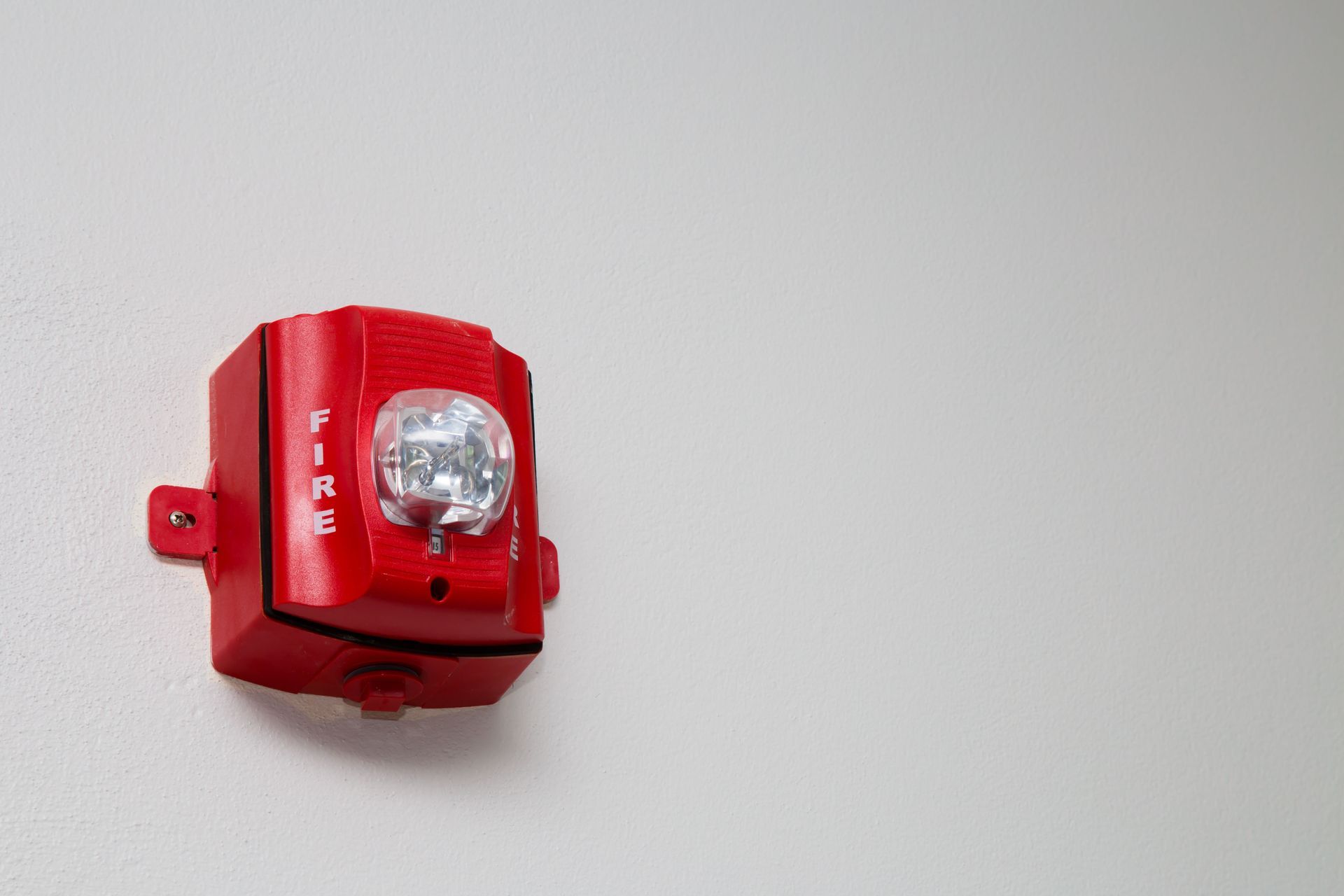
Smoke detectors are a critical component of safety. Install detectors on every level, test them monthly, and replace batteries at least once a year. Consider interconnected smoke detectors that sound an alarm throughout the house when one is triggered. This ensures that everyone is alerted regardless of where they are. Smoke detectors provide an essential early warning system that saves lives.
Bedroom Safety
In the bedroom, smoke alarms are even more critical because of the time spent sleeping. Having a functional alarm in each bedroom provides that necessary early warning. Practicing fire drills that include bedroom evacuations can further enhance preparedness. These measures provide peace of mind and contribute to a safer sleeping environment.
Electric blankets offer comfort but require careful usage. Always follow manufacturer instructions and inspect blankets for frayed cords or exposed wires. Never leave them turned on while unattended, and avoid placing heavy objects on them, which can cause overheating. Using blankets with automatic shut-off features adds an extra layer of safety. Regular safety reviews can prevent accidents and reinforce safe habits.
A well-rehearsed fire escape plan is crucial for safely evacuating bedrooms. Develop a plan that includes two escape routes from each room and practice it regularly. Consider installing escape ladders for bedrooms on upper floors. Ensure that windows can be easily opened and that routes are free from obstructions. Participation in fire drills enhances familiarity and promotes a proactive safety culture within the family.
Heating devices in the bedroom, such as space heaters, require careful management. Ensure they are placed on stable surfaces away from bedding and curtains. Never leave them operating while sleeping and inspect them regularly for signs of wear. Devices with automatic shut-off features are highly recommended. These precautions help ensure the safe use of heating devices and prevent accidents.
Bathroom Safety
In the bathroom, the proximity of water and electricity requires strict safety measures. Avoid using electrical devices near sinks or bathtubs and ensure all outlets are equipped with ground fault circuit interrupters (GFCIs). Inspect cords for signs of wear and consider battery-operated devices to eliminate hazards. Awareness of electrical safety in the bathroom is a vital step in proactive fire prevention.
Hair and beauty devices should be allowed to cool completely before being stored away from flammable materials like towels. Use storage solutions that allow for proper ventilation to prevent overheating. Regularly inspect these devices for frayed cords or unusual noises. Proper storage and maintenance of these everyday items significantly reduce the risk of an accidental fire in the bathroom.
Proper ventilation is also crucial. Ensure that exhaust fans are in good working order to remove excess moisture, which protects the electrical components of the fan itself. Regularly clean and maintain fans to ensure they operate efficiently. This not only prevents mold but also reduces fire hazards associated with faulty or overworked ventilation motors.
Chemical cleaners used in the bathroom require careful handling. Store them in a cool, dry location away from heat sources and ensure containers are tightly sealed. Finally, manage heat sources like lighting fixtures by ensuring they are not in contact with flammable materials. Regularly inspecting these fixtures for damage ensures a safer bathroom environment.
Basement and Utility Room Safety
In the basement and utility rooms, furnace and boiler maintenance is essential. Schedule annual professional inspections and regularly clean filters to prevent dust buildup. Ensure ventilation systems are clear to prevent the accumulation of gases and be vigilant for signs of wear or damage, such as unusual noises or odors. Addressing these issues promptly maintains a safe home foundation.
Ultimately,
fire safety is not a one-time task but a continuous commitment to maintenance, education, and vigilance. By addressing the specific hazards present in each room—from the grease in the kitchen to the electronics in the living room and the appliances in the bathroom—homeowners can create a comprehensive shield against fire. Taking the time to test alarms, practice escape routes, and store flammable materials properly ensures that your home remains a sanctuary rather than a hazard. Stay informed, stay prepared, and prioritize safety in every corner of your home. For more information about fire safety, contact Easton Electronics today.