Protecting a business from fire risks is an essential responsibility for any owner or facility manager. Fires can cause serious harm to people, property, and operations, often with little warning. Taking proactive steps to reduce hazards and prepare for emergencies can make a meaningful difference in minimizing damage and downtime. Partnering with experienced fire protection services helps businesses build safer environments while meeting regulatory expectations and maintaining peace of mind.
Strategy One: Conduct Regular Fire Risk Assessments
Routine fire risk assessments are a foundational step in protecting a commercial property. These evaluations identify potential ignition sources, unsafe storage practices, and vulnerabilities in electrical or mechanical systems. Professional fire protection services can provide thorough inspections that go beyond surface-level observations, ensuring that hidden risks are addressed before they escalate.
Electrical systems deserve special attention during assessments, as outdated wiring and overloaded circuits are common causes of fires. According to Cleanfax, electrical fires across the U.S. are the cause of over $1 billion in property damage each year, which highlights how costly overlooked hazards can become. Addressing these issues early helps businesses avoid unexpected losses and operational interruptions.
Documenting findings and corrective actions also supports compliance efforts and demonstrates a commitment to workplace safety.
Strategy Two: Maintain Detection and Suppression Systems
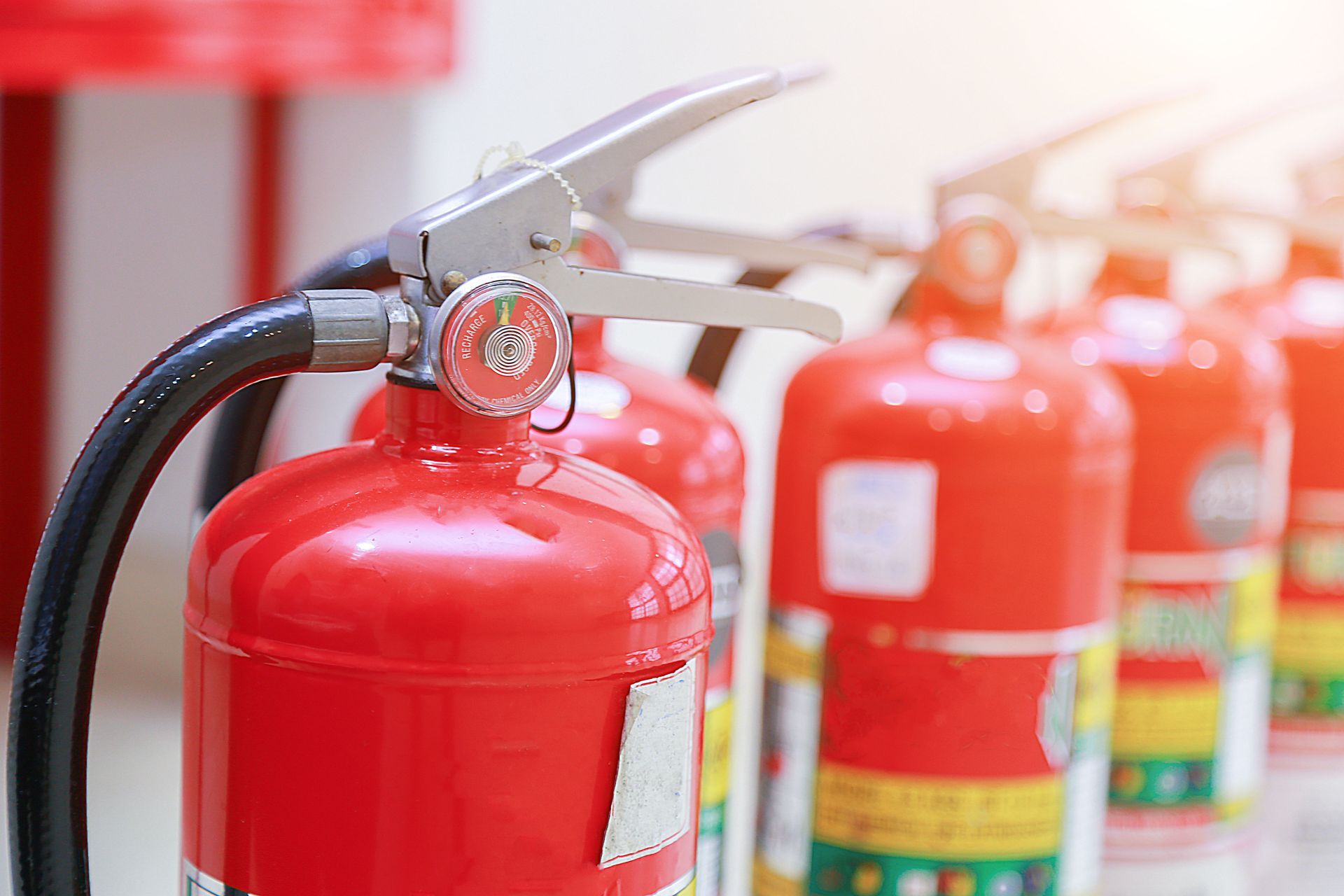
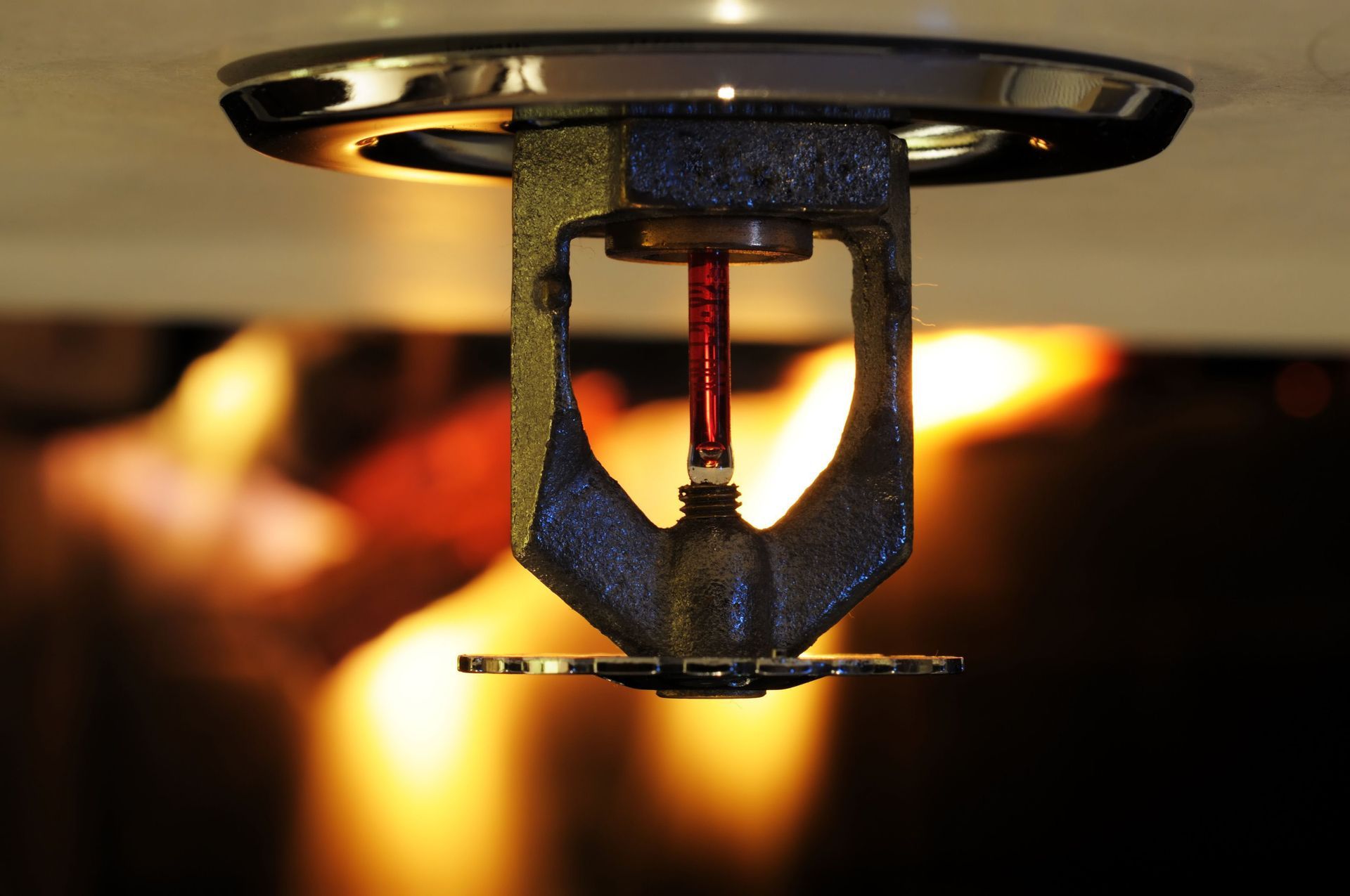
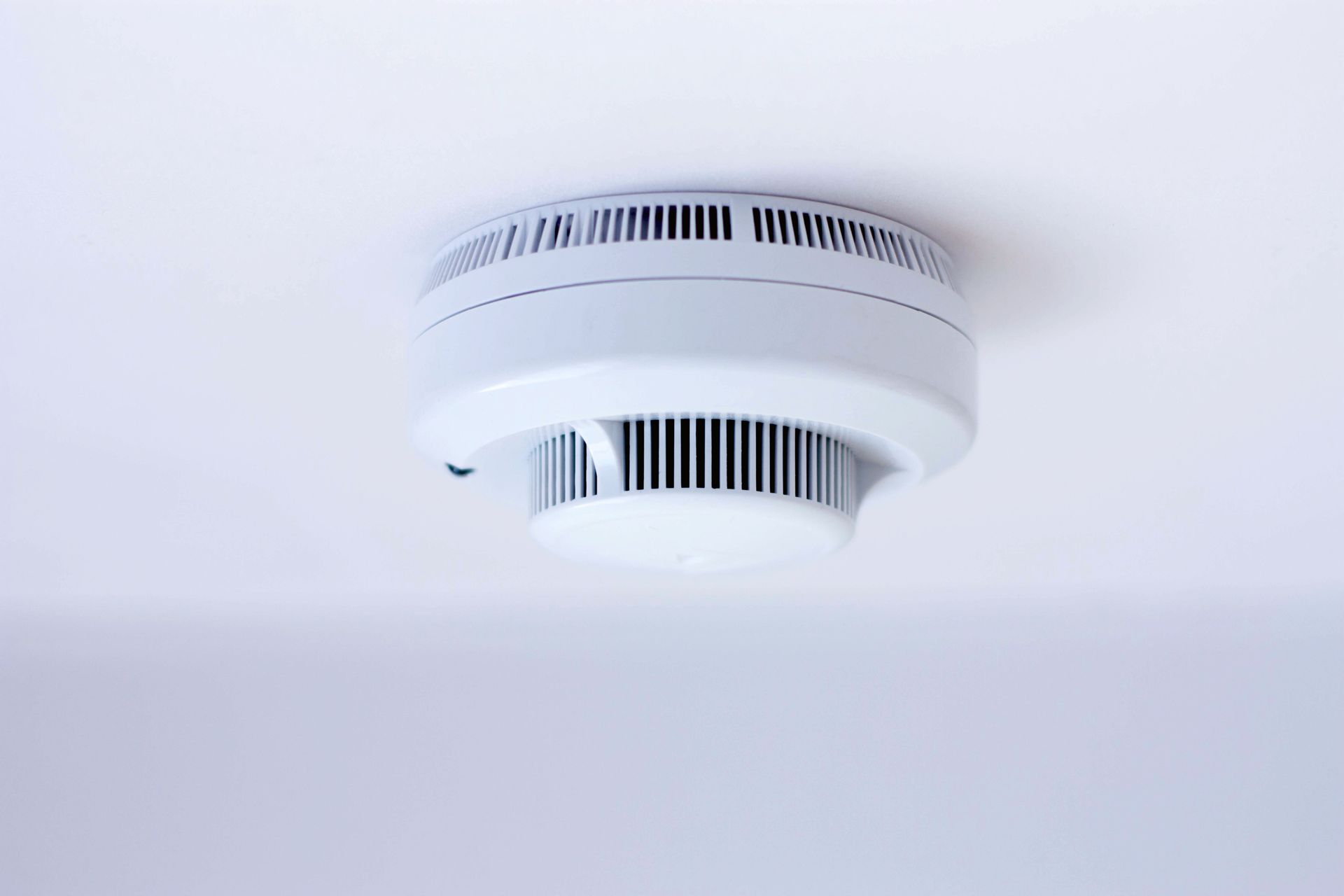
Reliable detection and suppression systems are critical for early intervention during a fire. Smoke detectors, alarms, sprinklers, and fire extinguishers should be inspected and maintained on a consistent schedule.
Fire protection services often manage these inspections, ensuring equipment operates correctly when it is needed most.
Modern technology has enhanced fire safety systems, offering faster alerts and improved monitoring. Smart alarms and automated notifications provide an additional layer of protection by notifying designated contacts immediately. Regular maintenance ensures these systems function properly and comply with safety standards.
Strategy Three: Train Employees for Fire Preparedness
Employee awareness and training play a significant role in fire prevention and response. Regular training sessions help staff recognize hazards, follow evacuation procedures, and use fire extinguishers correctly. Fire protection services often assist with training programs that are tailored to a business' layout and risk profile.
Fire drills reinforce procedures and help employees remain calm during emergencies. When staff understand their roles, evacuations are faster and safer. This preparedness can significantly reduce
Strategy Four: Develop a Long-Term Fire Safety Plan
A comprehensive fire safety plan brings all protective measures together into a clear, actionable framework. This plan should outline responsibilities, emergency contacts, evacuation routes, and maintenance schedules. Working with professional fire protection services ensures that plans are practical, current, and aligned with applicable regulations.
By combining assessments, system maintenance, employee training, and strategic planning, businesses can significantly reduce fire-related risks and strengthen overall safety. For quality guidance and dependable support tailored to your facility, contact Easton Electronics.